


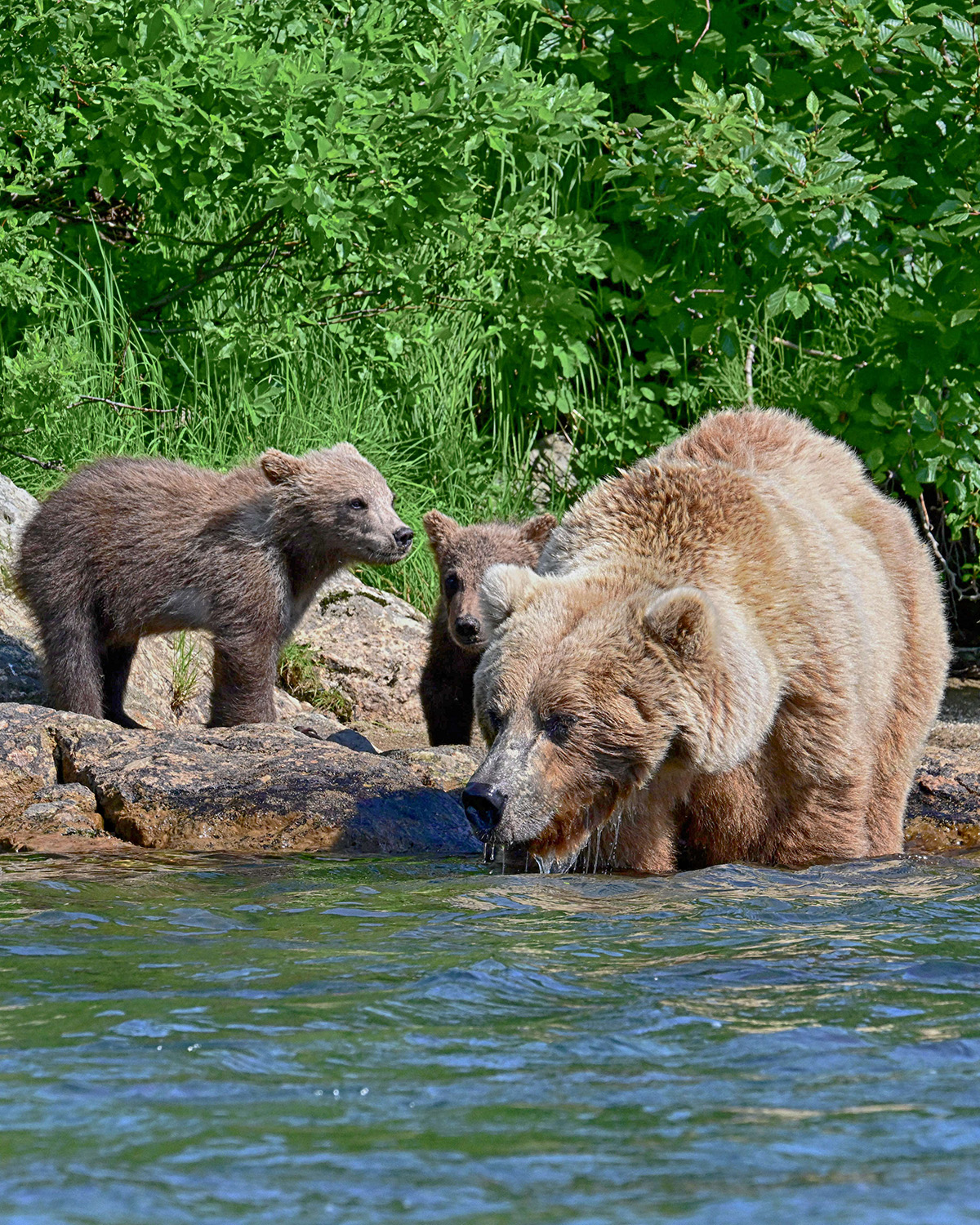
For many anglers, Alaska carries a certain mystique long before they ever set foot there. The scale of the landscape, the remoteness of the rivers, and the feeling that you are stepping into a place where the natural world still operates on its own terms all contribute to that reputation.
Part of that feeling comes from the fishing itself, but just as much of it comes from everything surrounding it. Weather can turn quickly, wildlife is never far away, and even a straightforward day on the river can be an adventurous and sometimes unpredictable undertaking.
As Brian Harry described during a recent Frontiers podcast conversation, those elements are part of what keeps people coming back.
“You almost look back and say it was type B fun,” he said. “It’s exciting, it’s challenging. Sometimes it’s windy, sometimes it’s cold, and there’s a bear over there. It’s so much more than the fishing.”
Listen to the full podcast with Abe Blair & Brian Harry:
A River System Built on Salmon
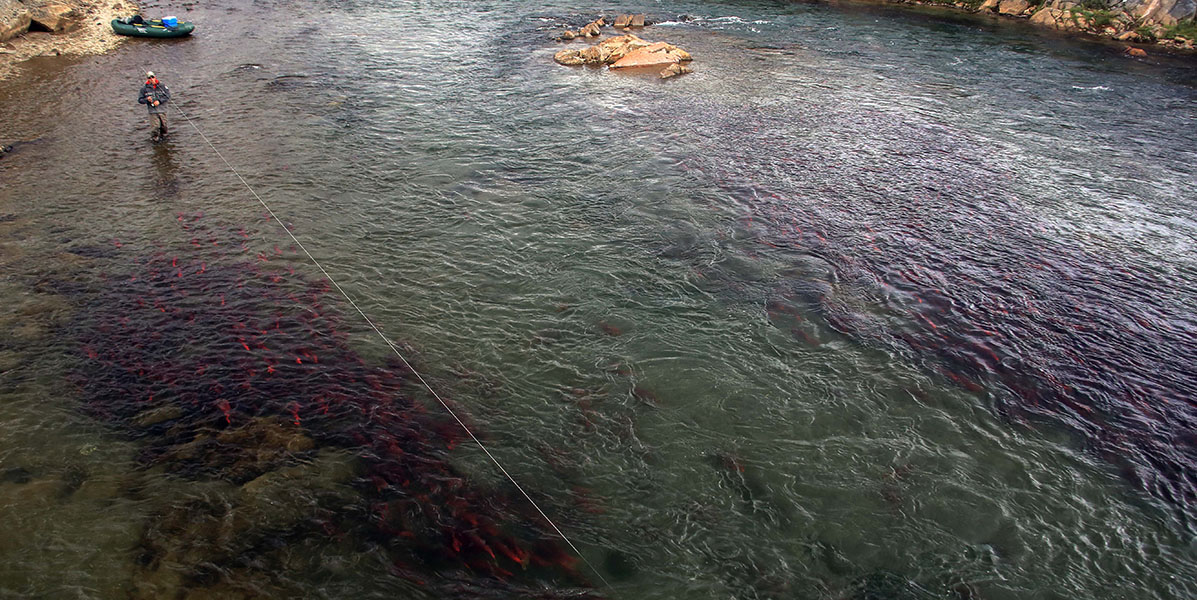
In much of Alaska, and particularly throughout the Bristol Bay region, the entire freshwater ecosystem revolves around the salmon runs.
Each summer, millions of salmon return from the ocean or lakes to spawn in the same rivers where rainbow trout, Dolly Varden, grayling, and several other species live year-round. The sheer scale of those migrations is difficult to fully grasp until you see it firsthand.
When the salmon arrive, they bring an enormous influx of nutrients into the rivers. Eggs drift downstream, carcasses break apart after spawning, and smaller fish gather to feed on the remains. That constant resupply of protein becomes the foundation for nearly every living species in the system.
Abe Blair described the relationship simply during the podcast:
“Without the salmon in the region, the trout fishing would not be what it is.”
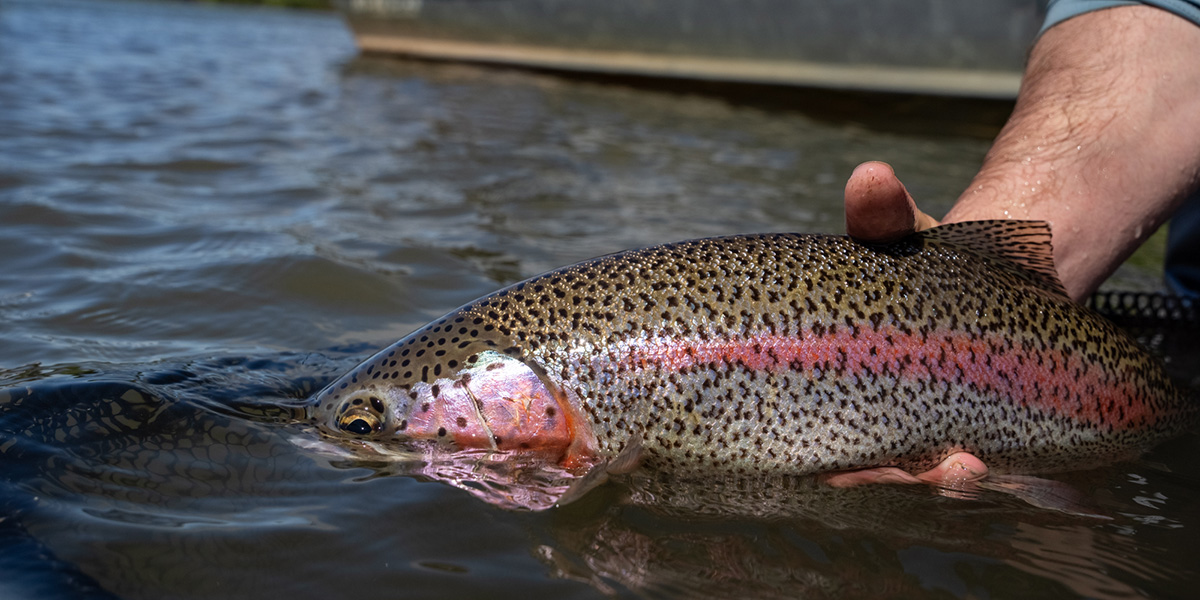
Rainbow trout feed on eggs, flesh, and baitfish that thrive because of the salmon runs. Bears gather along the banks to take part in the bounty. Birds, insects, and even the surrounding forest benefit from nutrients that ultimately originate in the ocean.
A Different Kind of Trout River
For anglers used to fishing in the Lower 48, the effect of that ecosystem can feel striking. Many trout fisheries elsewhere depend on hatcheries, stocking programs, or heavily managed rivers to maintain fish populations.
Alaska operates differently.
The state’s fisheries remain largely wild. There are no dams in the Bristol Bay watershed and no hatchery programs supplementing the fish populations. The rivers function much the same way they have for thousands of years.
That natural balance influences not only the number of fish in the system but also how those fish behave. Rainbow trout grow large on a steady diet of protein due to the salmon runs. They feed aggressively, move through the rivers following food sources, and fight with a strength that surprises many first-time visitors.
It’s a reminder that these fish are part of a much larger, functioning ecosystem.
The Wildness of the Experience
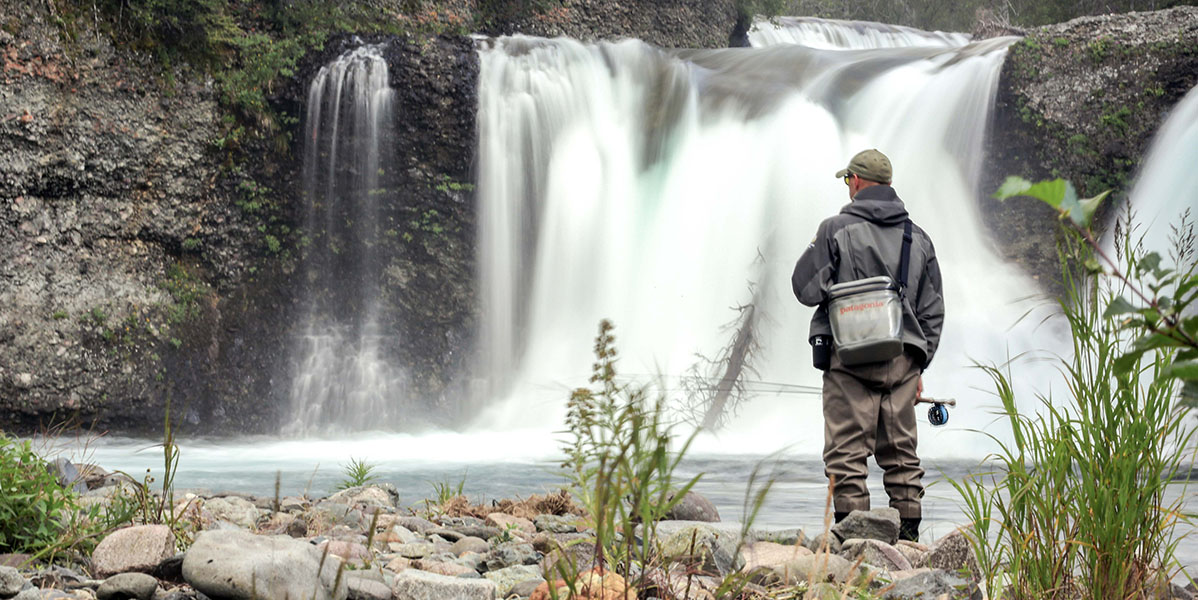
Ultimately, that ecosystem is part of what makes Alaska feel different from many other destinations.
The rivers are still shaped by the same forces that have always shaped them. Salmon return in huge numbers. Predators gather along the banks. The fish feed, grow, and compete in an environment that remains largely untouched.
Some days are calm and beautiful. Others involve wind, rain, wildlife encounters, and flights into remote rivers. Those are the days guides sometimes refer to as “type B fun”—days that may feel challenging in the moment but become the stories anglers remember most when they look back on the trip.
For more information about Alaska, and to begin planning your trip, contact Tom Gilliland, of Frontiers’ US Office.
Listen to the full podcast with Abe Blair & Brian Harry:
RELATED POSTS
OTHER GREAT TRAVEL IDEAS
Read our Winter 2025 release of Field Notes for a deep dive on other great destinations.